What a good season for art.
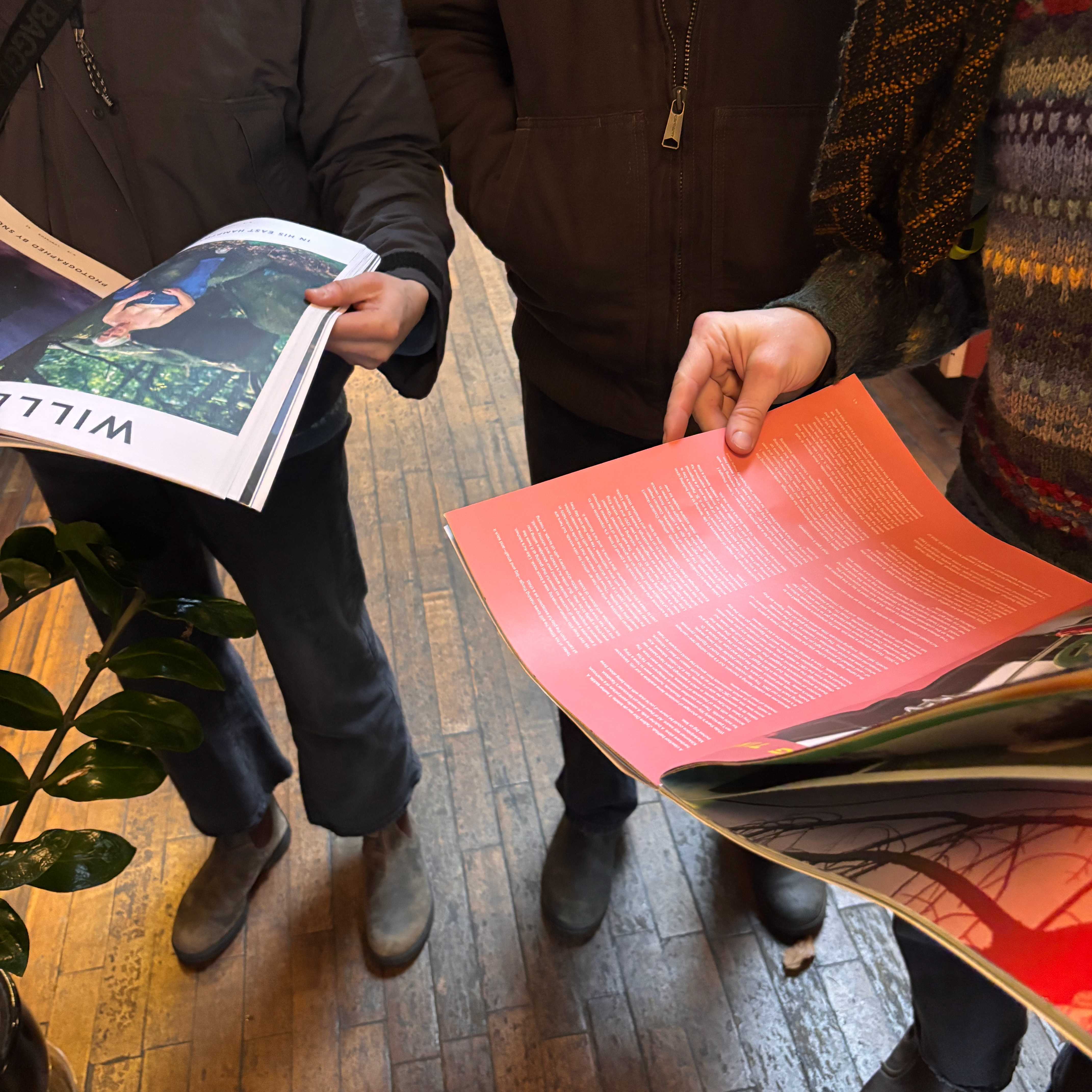
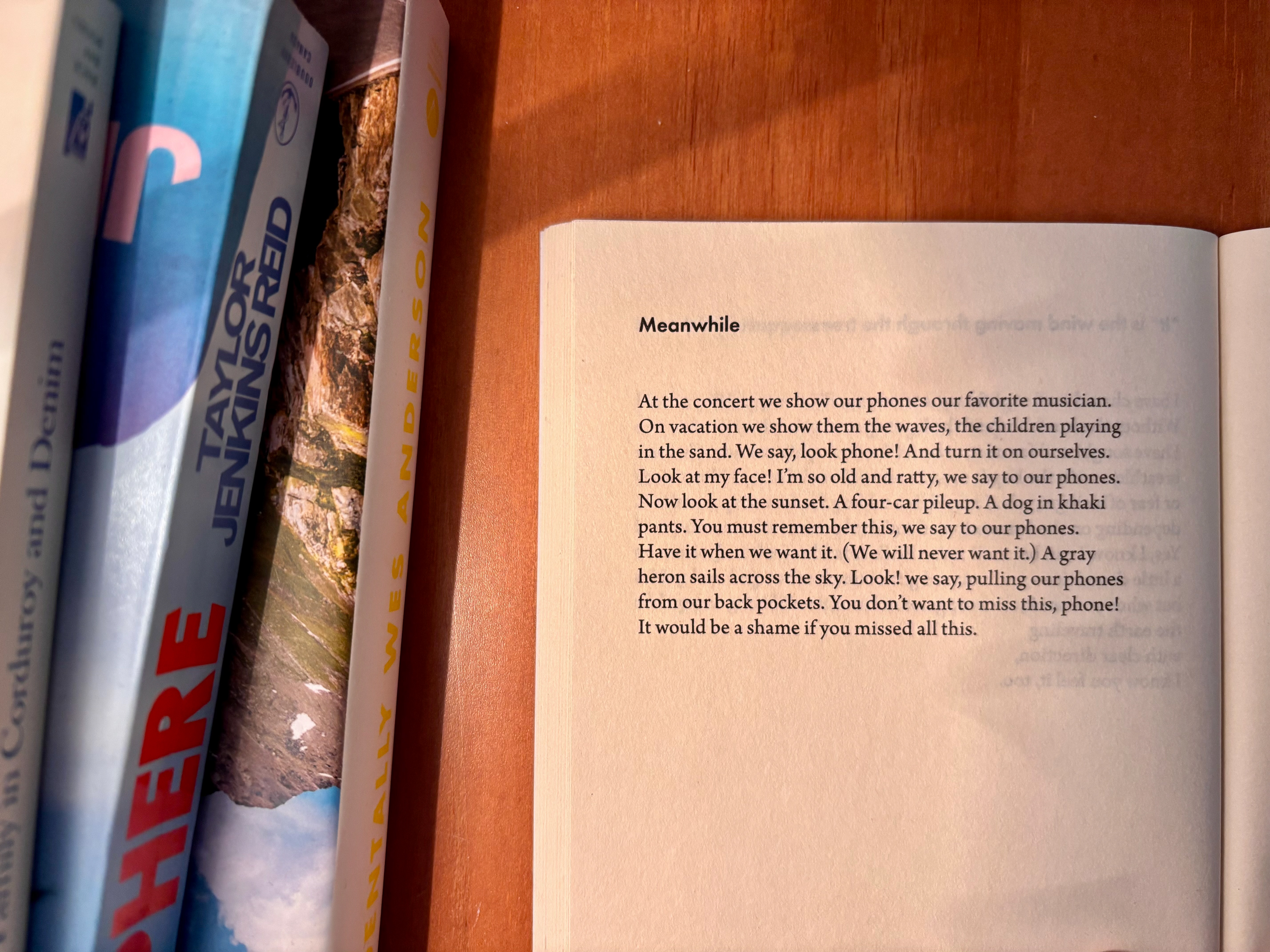
Heated Rivalry, Charli XCX's Wuthering Heights soundtrack (the strings on "Out of Myself" have the power send me into a full coma), "The Great Divide" from Noah Kahan ("I hope you're scarеd of only ordinary shit/Like murderers and ghosts and cancer on your skin/And not your soul and what He might do with it" okay just pump that into my veins already), this poem from the Kate Baer book I picked up in Bainbridge:
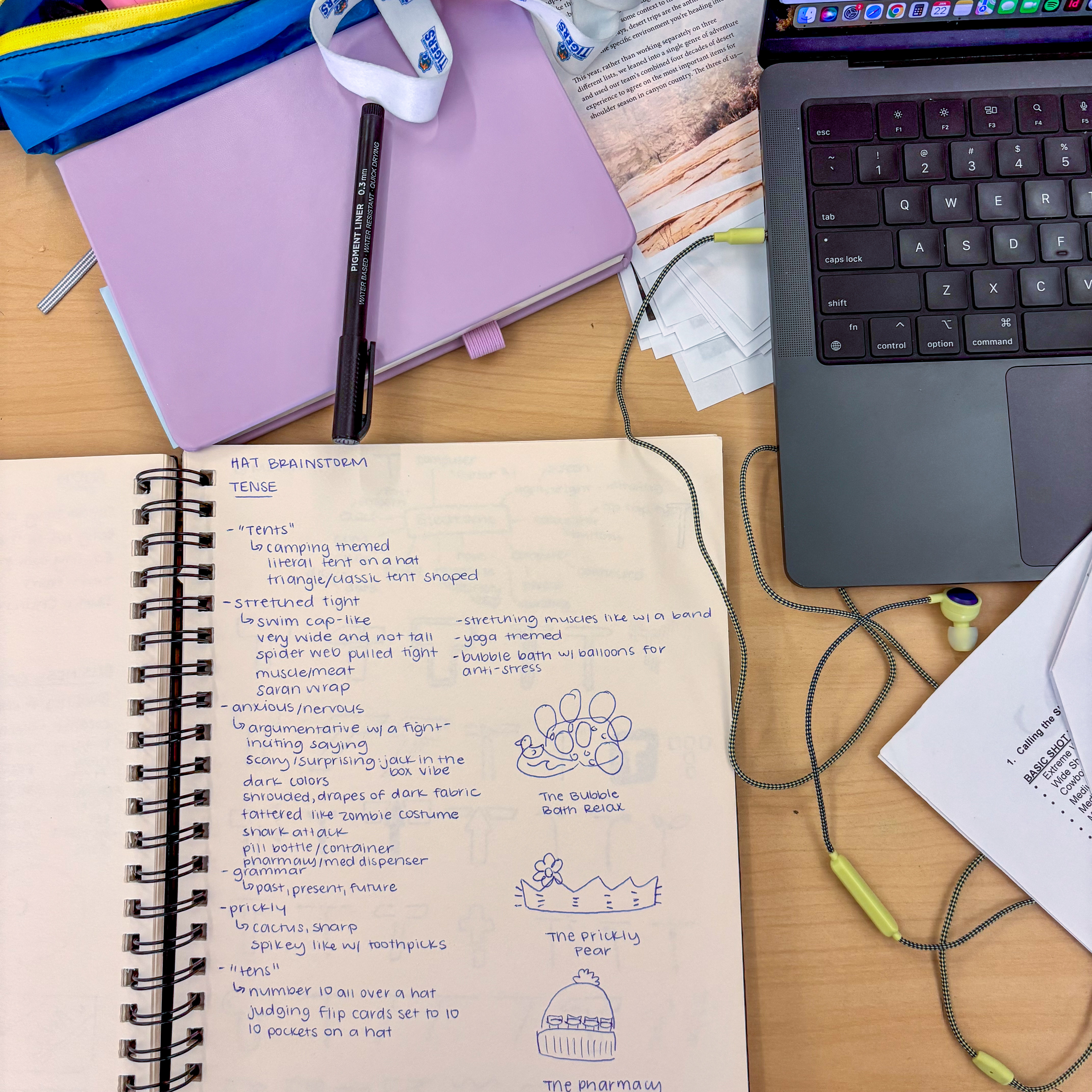
In the realm of making art and design and things that evoke emotion, this week I researched a few tools, comparing DaVinci Resolve versus Premiere Pro and Blender versus Houdini.
BLACK MAGIC DAVINCI RESOLVE vs. ADOBE PREMIERE PRO
I only have hands-on experience with Premiere, so I watched a YouTube video that dug into the differences.
1. Stability: This particular editor (and many on Reddit) have issues with Premiere's stability, citing common glitches, while DaVinci Resolve has great live save and less crashing issues.
2. Exporting: While DaVinci Resolve exports faster (because it doesn't use the "middle man" temporary files that Premiere does), Premiere wins this category because Adobe Media Encoder allows you to multitask, exporting in ME while continuing to edit in Premiere.
3. Color: Hands down, DaVinci Resolve is worlds better in the color grading category, as it should be, as it was originally built to serve just that purpose. However, Premiere does offer easier, more approachable color grading tools for beginners, especially those familiar with the slider-based workflow of Lightroom.
4. AI Tools: I found this to be a very interesting conversation; the creator of the video I watched felt that Adobe is focusing too much on generative tools (many that creatives have ethical qualms in using, given that they could someday—if they get better—take jobs) and putting these subpar things no one asked for behind paywalls, even when folks are already subscribing monthly. DaVinci Resolve seems to use AI in ways that support the creative process: labeling beats in audio tracks, automatically mixing audio, etc. rather than getting bogged down in the generative sphere. It will be interesting to see how this aspect evolves. I do feel there is an important distinction between AI tools and generative AI. I use Lightroom's (AI, I think?) tools to detect the sky or subjects for creating masks that I can then manipulate, but I wouldn't use any generative features in my photography. In short, it's the difference between using technology to streamline the tedious setup tasks rather than letting tech just make the art itself.
While DaVinci Resolve is still largely used for color grading with few feature films fully edited with the software, the Associated Press started using DaVinci Resolve Studios as their editing platform in November 2025. In the color grading realm, below are two feature film examples from the past couple years that have been color graded with DaVinci Resolve—Sorry Baby by Marcy Robinson and Wild Robot by Jason Hanel.
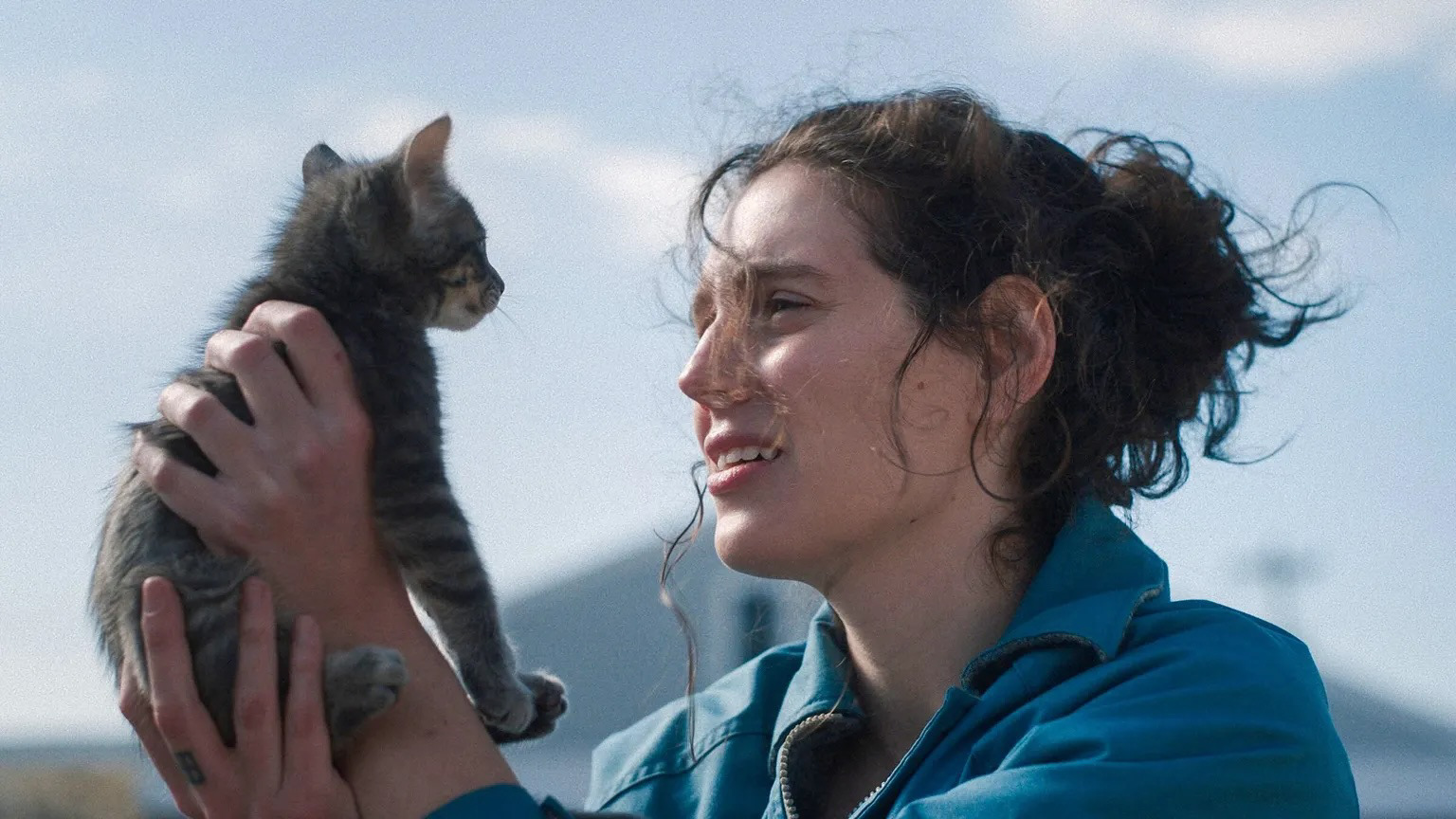
Sorry Baby (Courtesy A24)
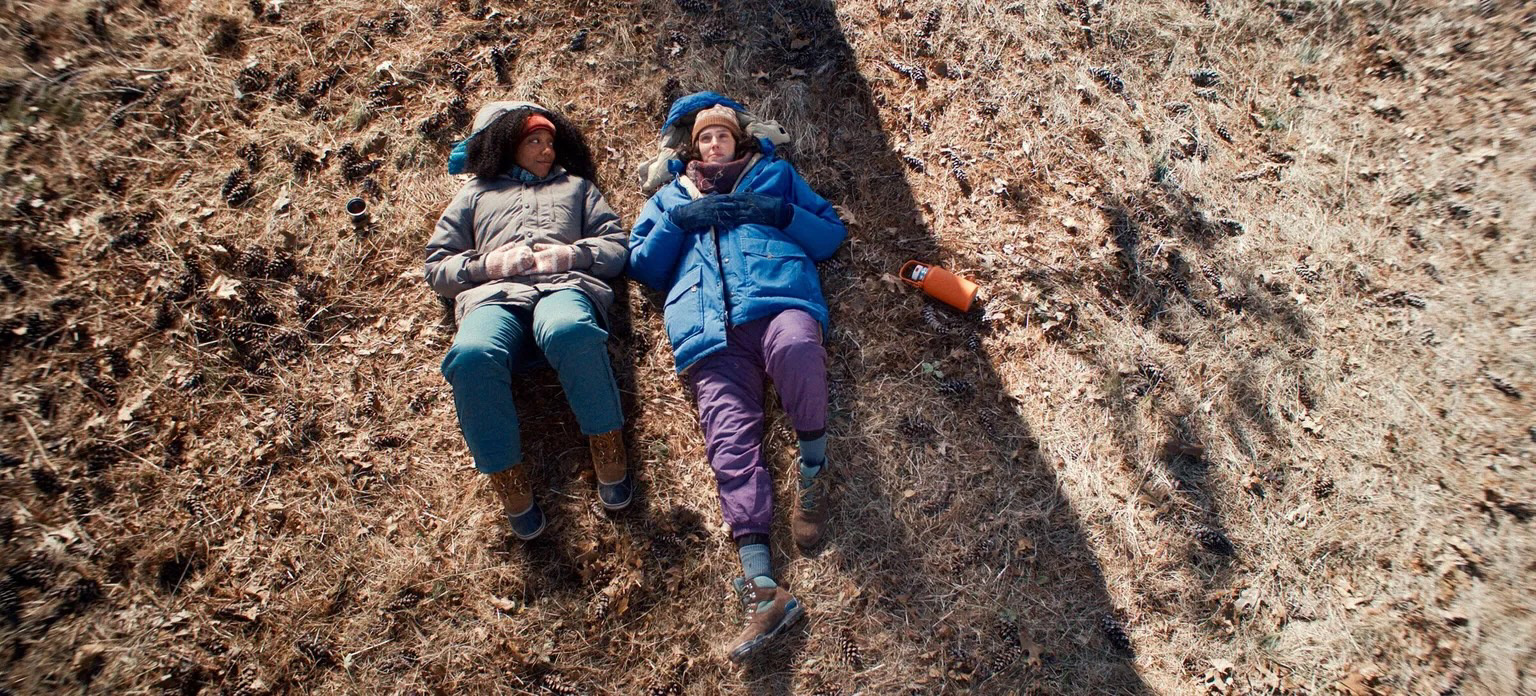
Sorry Baby (Courtesy A24)
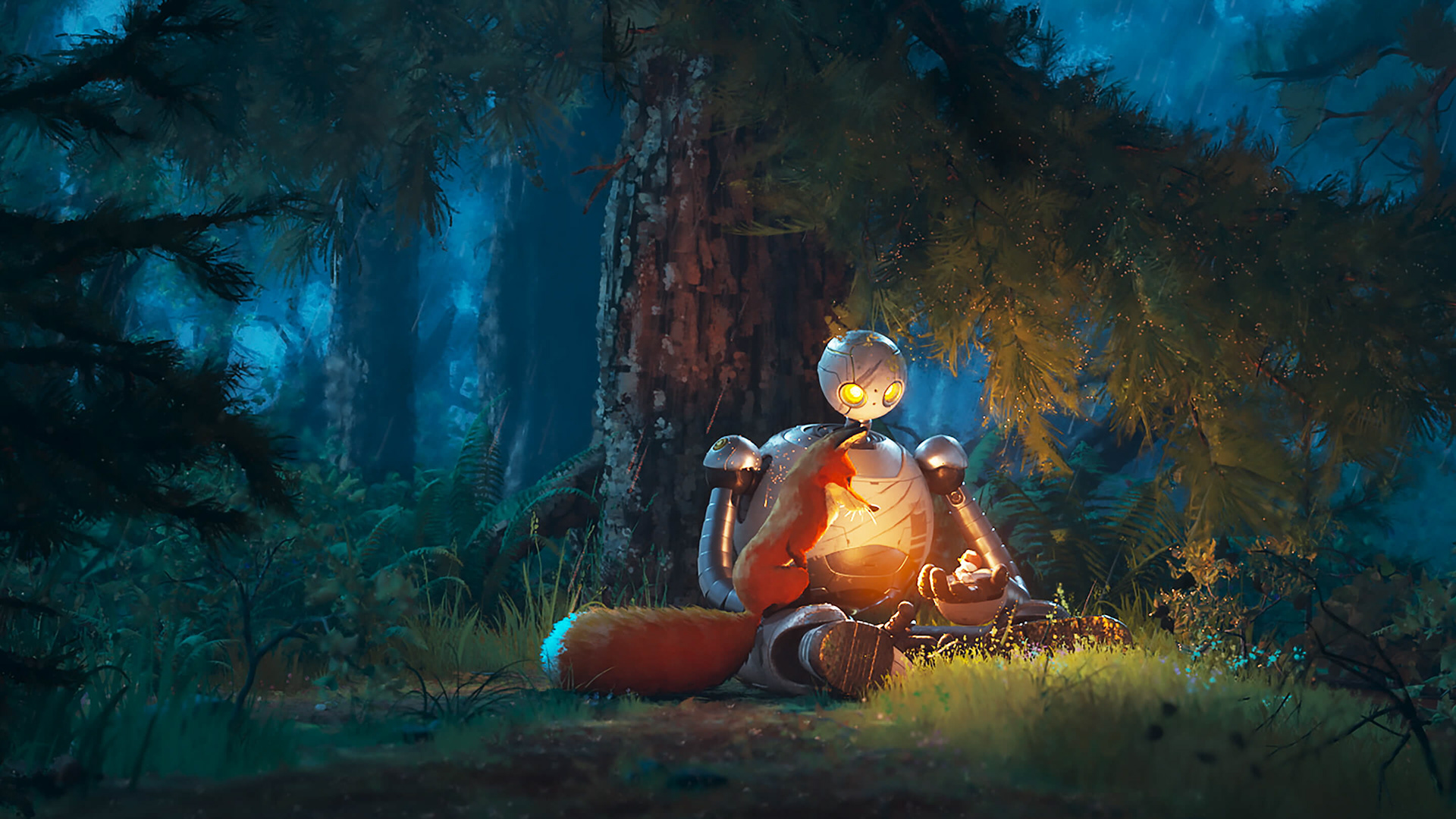
Wild Robot (Courtesy Dreamworks)
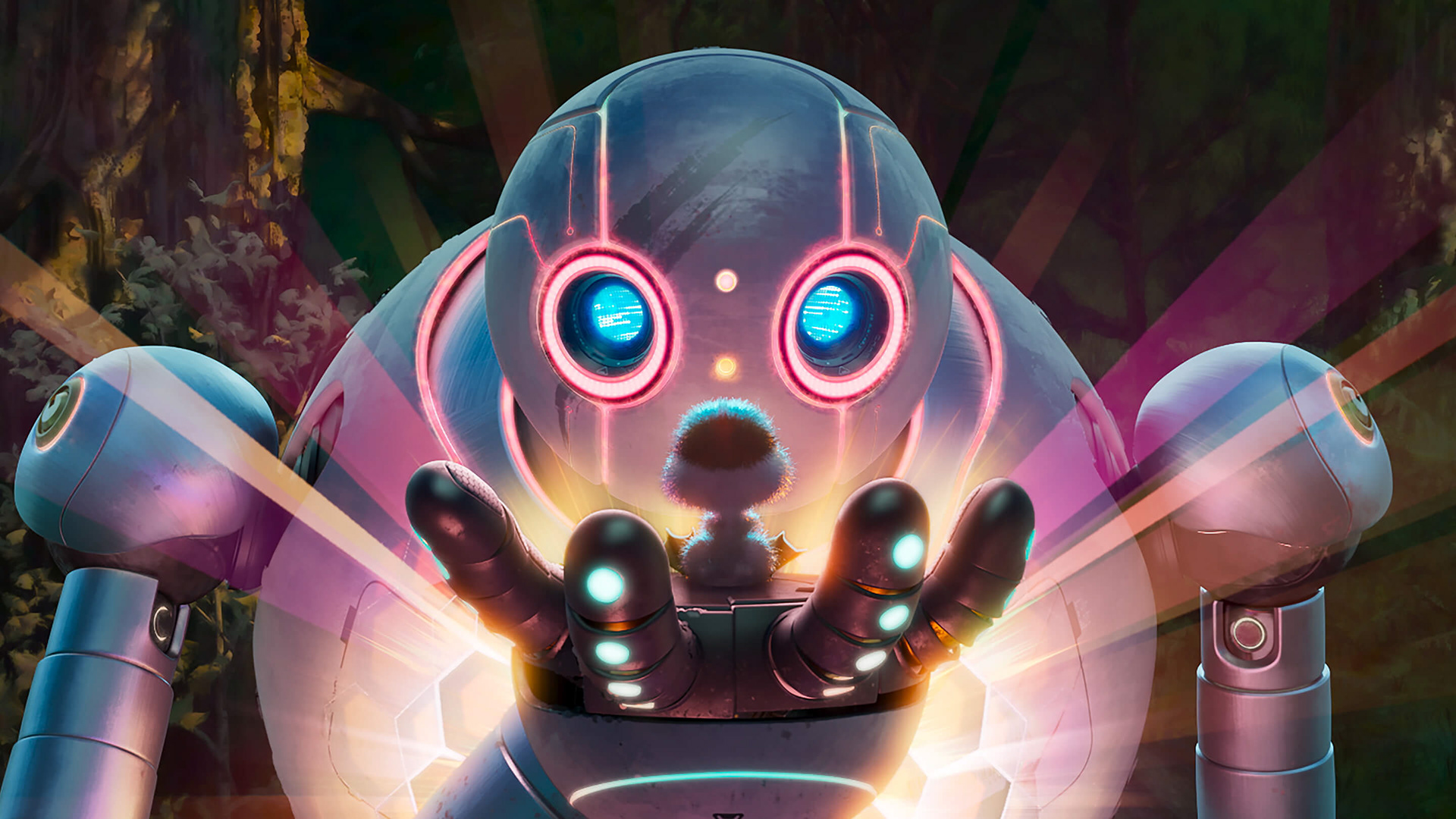
Wild Robot (Courtesy Dreamworks)
I also compared Houdini and Blender for VFX work.
Houdini seems to be the industry standard for feature film work, so it wins out in most professional categories: the node structure makes animating easier, it excels at simulating water, fire, magic, explosions, and the like, and it provides artists with more control. Blender, on the other hand, is more beginner friendly and has the plus side of being free.
Some examples of films that use Houdini:
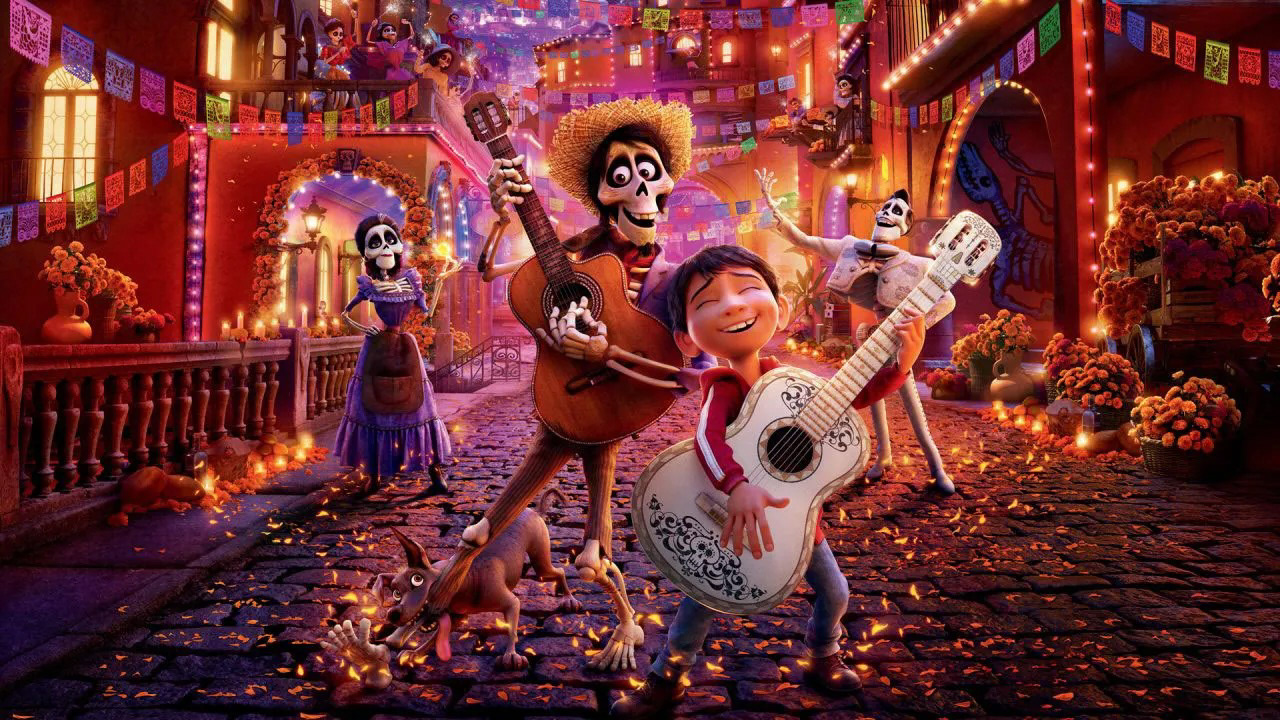
Coco
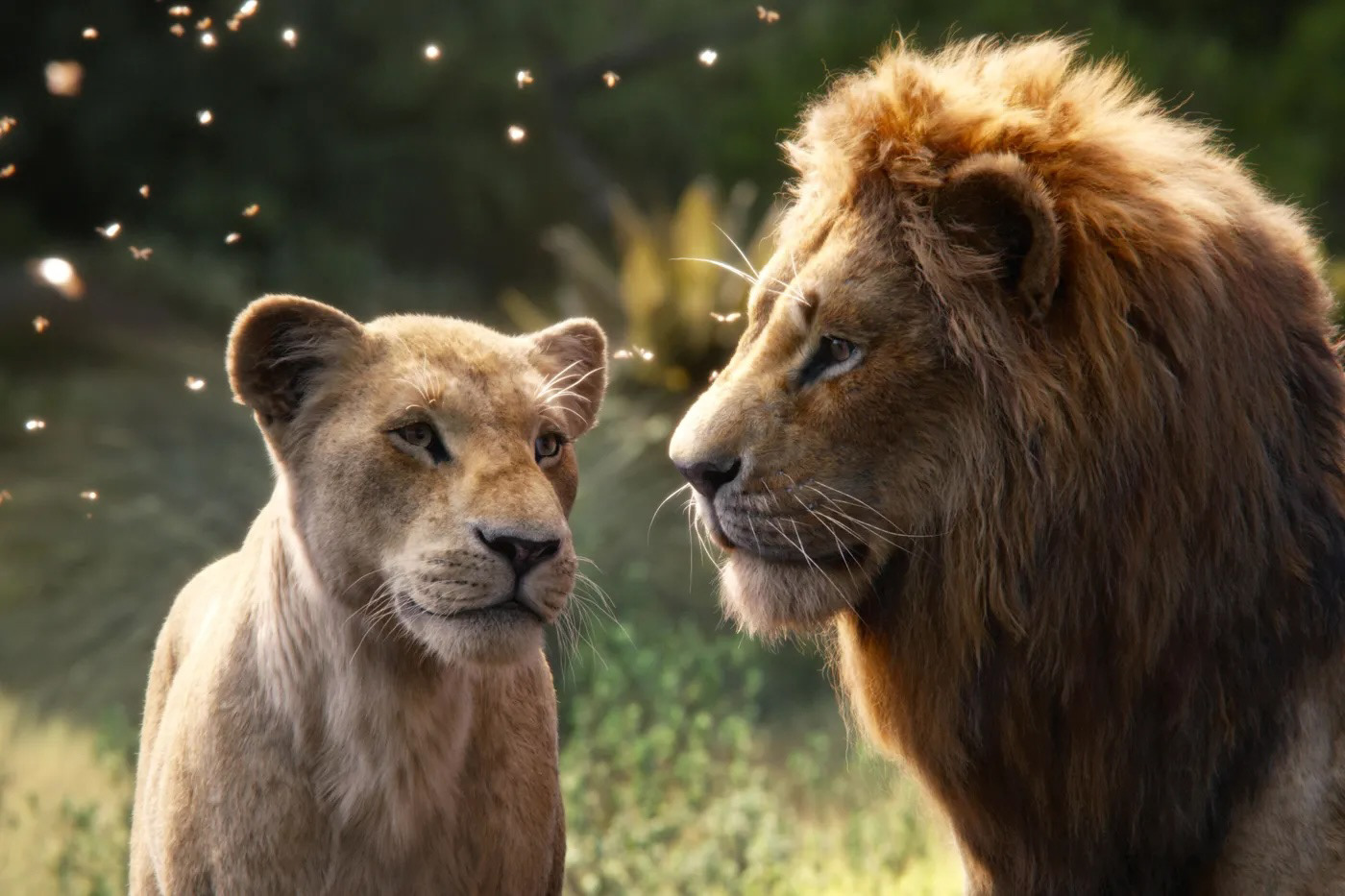
Lion King (2019)